If the game is 90% mental, why don’t more athletes train their minds with the same intention they train their bodies?
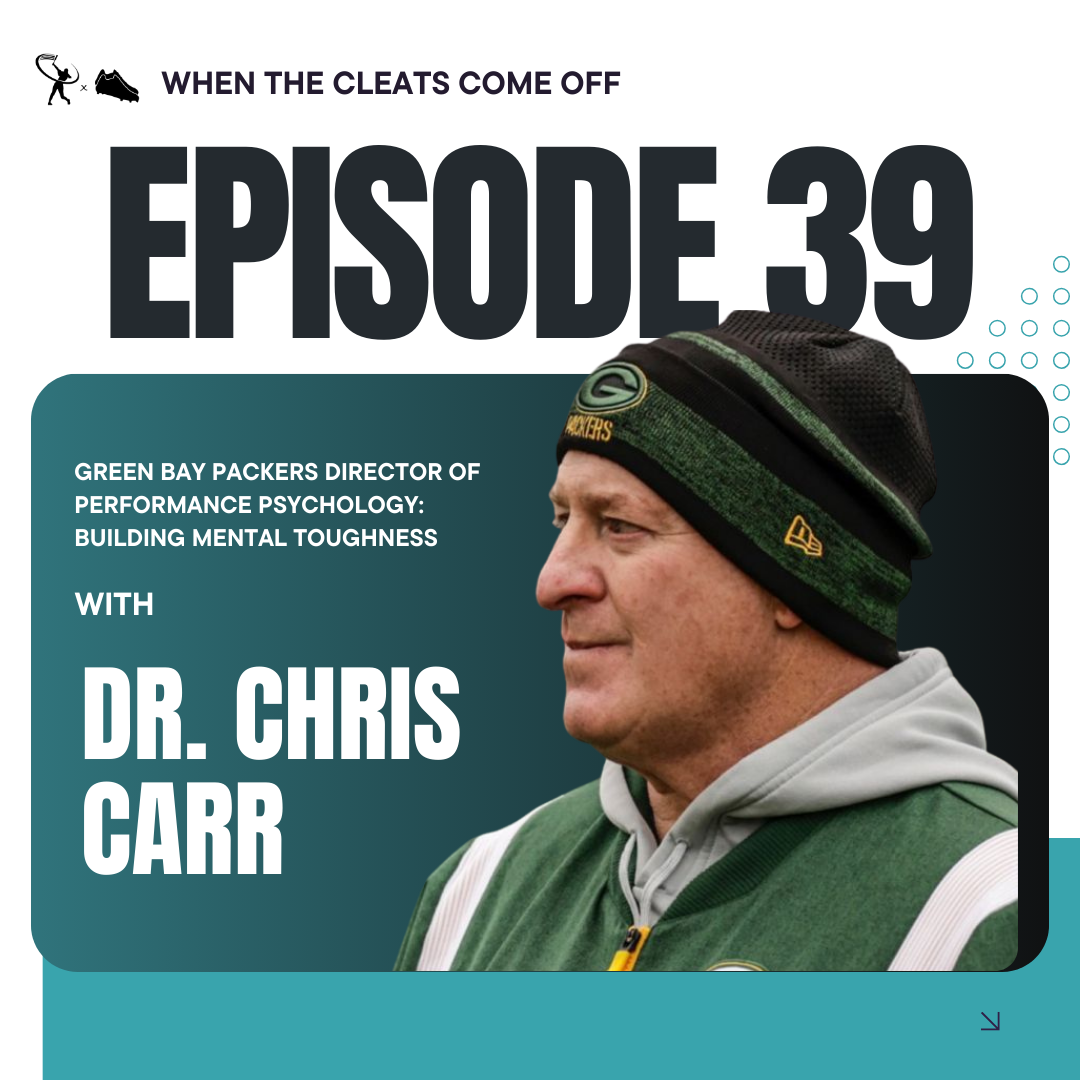
In this episode of When the Cleats Come Off, Ashley sits down with Dr. Chris Carr, a leader in sport psychology and mental performance, for one of the most practical and insightful conversations in the podcast library. Ashley first met Dr. Carr while he was working at Purdue University, where he helped guide her through one of the toughest mental battles of her softball career — a time when she was seriously considering stepping away from the game.
That lived connection gives this conversation even more depth, as Dr. Carr shares the tools, habits, and perspective shifts that can help athletes strengthen the mental side of performance in a real, sustainable way.

Why Mental Skills Deserve Real Practice
Athletes spend hours in the cage, weight room, and on the field, yet many never learn how to intentionally train the part of the game that affects everything else: the mind.
Dr. Carr explains why mental skills should be practiced just like physical skills. Confidence, focus, emotional regulation, and self-awareness are not traits athletes either have or do not have — they are skills that can be developed over time.
This episode is a powerful reminder that mental training is not extra. It is essential.
Goal Setting That Actually Works
One of the most valuable parts of the conversation centers on goal setting.
Dr. Carr breaks down why effective goal setting is about more than writing down big dreams. He explains how athletes can set goals in ways that create clarity, direction, and momentum, while also helping them stay present in the process.
When goals are structured well, they become a guide instead of a source of pressure.
Relaxation, Journaling, and Self-Awareness
Dr. Carr also shares practical tools athletes can use immediately, including relaxation techniques and journaling practices.
He explains how relaxation skills can help athletes regulate their body and mind during stressful moments, while journaling can increase self-awareness and help athletes better understand their patterns, thoughts, and emotional responses.
These tools may seem simple, but they can have a major impact when practiced consistently.
Resources for Continued Growth
This episode is especially valuable because Dr. Carr does not just talk theory — he points listeners toward resources they can use to continue strengthening their mental game over time.
His approach makes mental performance feel accessible, actionable, and relevant for athletes at every level.
What You’ll Learn in This Episode
-
Why mental performance should be trained intentionally
Treating mindset like any other skill in sport. -
How to set goals in a way that supports growth
Creating direction without adding unnecessary pressure. -
How relaxation techniques can improve performance
Regulating stress and staying present in competition. -
Why journaling builds self-awareness
Understanding your thoughts, habits, and emotional patterns. -
How athletes can keep practicing their “mental muscles”
Using practical resources and tools for continued growth.
About
Dr. Chris Carr
Dr. Chris Carr is a sport psychology professional and mental performance leader who has worked with athletes and teams at the highest levels of competition. His career has included helping athletes develop stronger mental skills, healthier performance habits, and greater self-awareness both on and off the field.
Known for his thoughtful, practical approach, Dr. Carr has helped athletes navigate confidence struggles, performance pressure, and identity challenges while giving them tools they can carry far beyond sport.